
Therapy for Children & Teens
Every child has their own way of experiencing the world, and there’s no single right reason to seek support.
You might be looking for help because your child or teen is having a difficult time with:
Big feelings that are hard to express or manage.
Changes or transitions at home, at school, or in their relationships.
Frustration, worry, or feeling overwhelmed.
Expressing themselves or communicating what they need.
Navigating friendships and connections with others.
Understanding themselves and making sense of their experiences.
Finding ways to feel more comfortable being themselves.
I want them to have room to explore their experiences in ways that feel accessible to them, rather than expecting them to understand and articulate everything before they’re ready.
A little less pressure. A little more play.
THERAPY FOR KIDS
Big feelings. Little humans.
Being a kid is hard work.
You’re learning how the world works, figuring out who you are, trying to make sense of feelings that sometimes seem to come out of absolutely nowhere, and navigating a whole lot of things that the grown-ups around you don’t always realize are difficult.
And you’re expected to do all of this while remembering to brush your teeth, put your shoes on the right feet, and somehow keep it together when someone eats the last cookie.
It’s a lot.
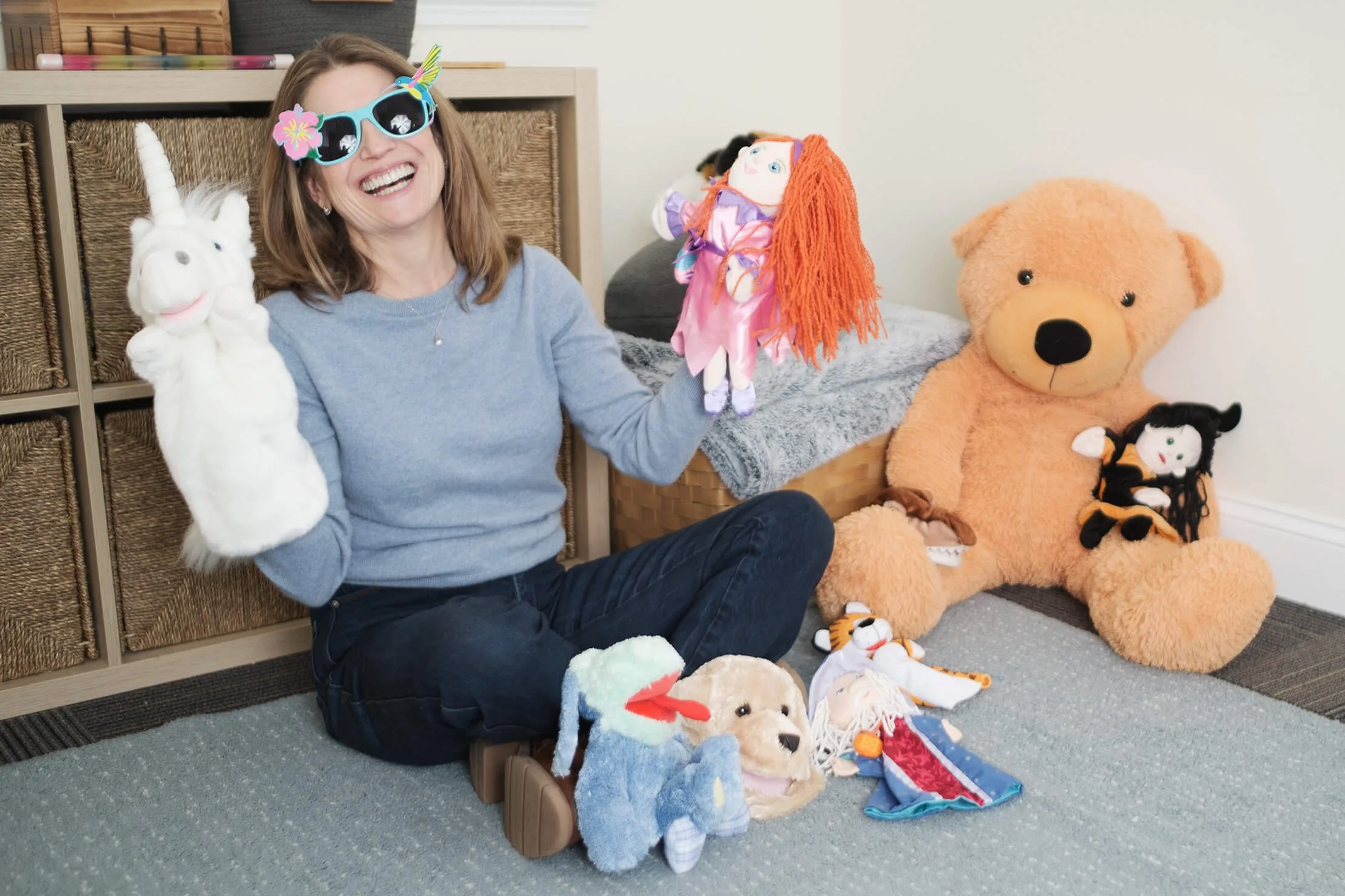
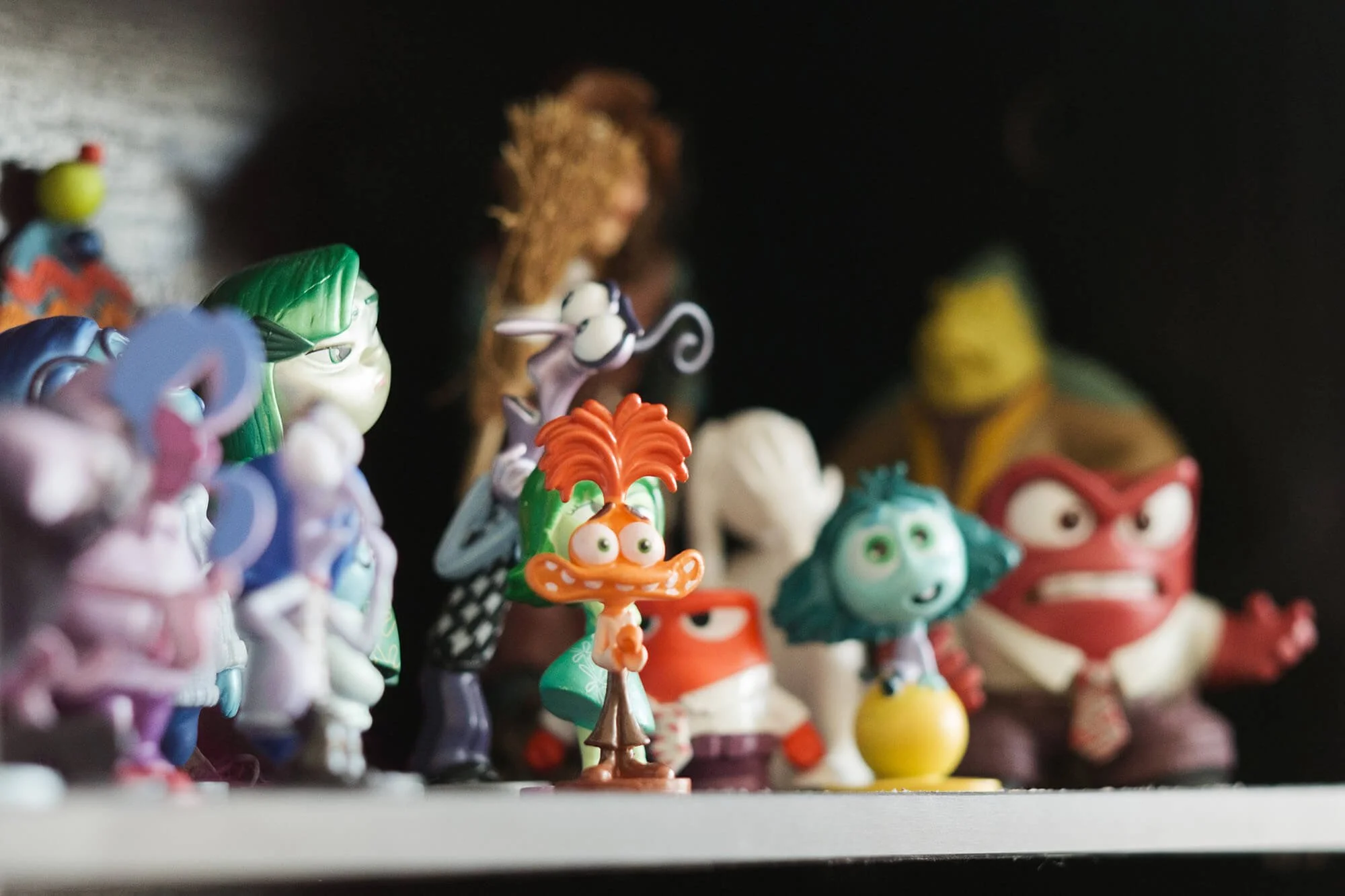
I work with children in a way that makes room for their natural curiosity, creativity, movement, and play. Because children aren’t always able to sit still and explain everything they’re feeling.
Sometimes they need a different way to express themselves.
Play and creative expression can offer children different ways to explore their experiences, communicate, and make sense of the world around them.
With me, there’s room for more than sitting in a chair and answering questions.
We might get curious. We might explore. We might try something creative or unexpected. We might discover that a little silliness opens up a conversation that felt difficult to start.
There’s no need to force a moment or rush toward an answer.
I create space for children to be themselves and discover what unfolds.
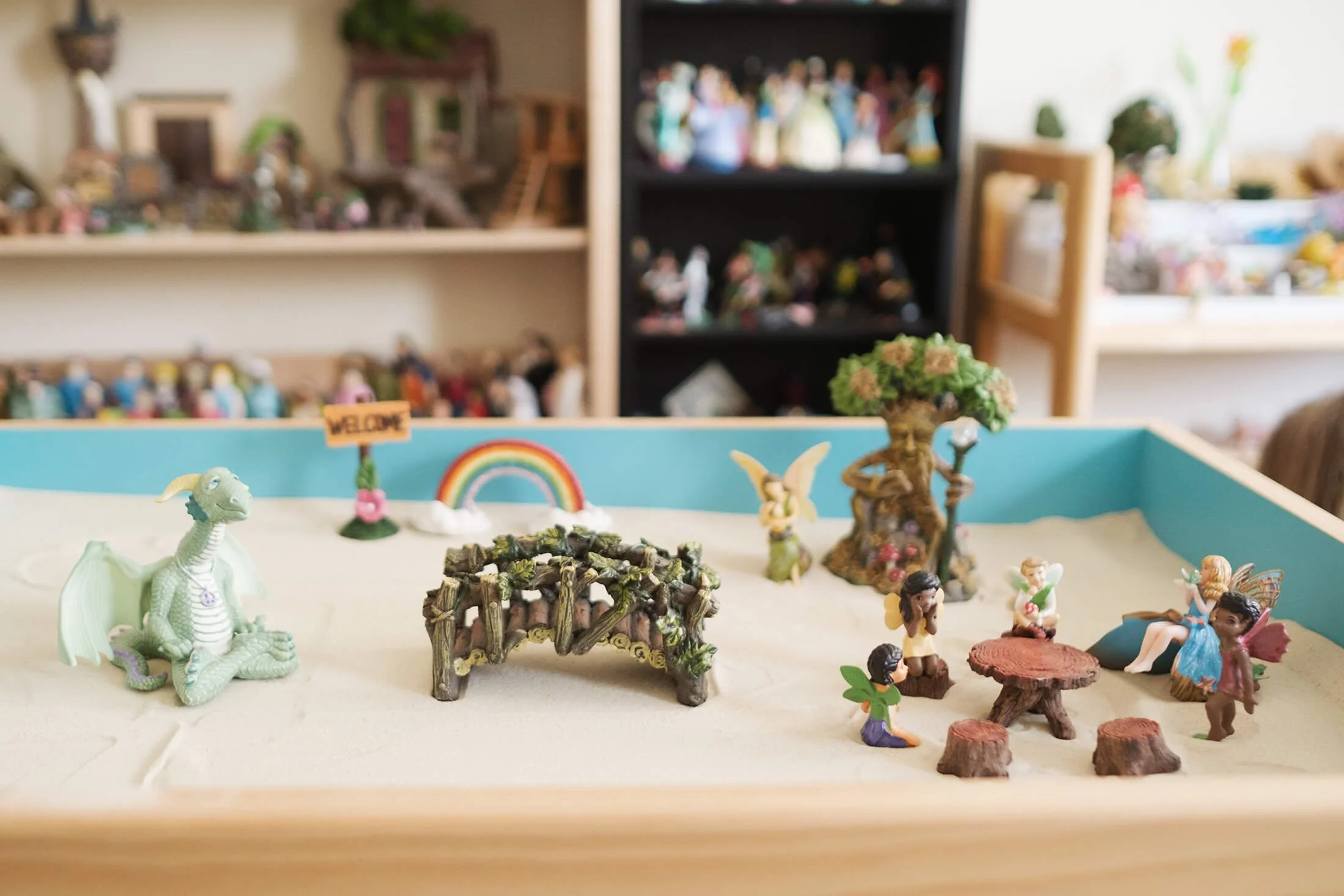

Therapy: a space where kids don’t have to get it right.
Children receive a lot of messages about how they’re supposed to behave, feel, learn, and fit into the world.
Be good. Be nice. Share. Sit still. Use your words. Stop crying. Don’t be so sensitive. Calm down.
And while boundaries and guidance matter, children also need spaces where they can explore who they are without feeling like every part of themselves needs correcting.
I offer that kind of space.
A space where feelings are welcome, curiosity is encouraged, and there’s room to try things without getting them right the first time.
A space where children can explore their experiences without having to perform, impress, or explain themselves perfectly.
Because children are still learning how to be human. And honestly, so are the rest of us.
They don’t need to be perfect little people. They need opportunities to feel understood, supported, and accepted as the wonderfully complicated people they already are.

THERAPY FOR TEENS
Being a teenager is a lot. (And you’re allowed to say so.)
Honestly, I don’t think adolescence has ever been more challenging than it is right now.
Teens are balancing academics, extracurriculars, social pressure, and family life, all at the same time, all while figuring out who they are. They crave more independence, but they aren’t quite ready to be fully independent. That in-between place is wobbly and squishy and very human.
It’s also exactly where I get to help.
For a lot of teens, being accepted and having friends takes precedence over pretty much everything. And that can leave parents feeling... confused. The little person who used to want to be with you all the time now doesn’t want to hang out anymore (but still needs a ride, and a favor, and maybe a snack).
Teens can also switch from silly kid to seemingly sophisticated adult in a heartbeat. One minute they’re telling knock knock jokes, and the next they’re delivering a very serious speech about their rights. If you’re wondering how to relate to this person, you’re in good company.
Older kids and teens can feel uncomfortable talking, and that’s okay. I never want anyone to feel like they’ve been sent to the principal’s office.
So we play. Uno, Monopoly, Boggle, and plenty more. We might create collages, we might color in mandalas, or write poems.
It helps in two ways. First, there’s no pressure. They can simply relax and have fun-with someone beside them who’s simply being with them. No clipboard. No interrogation. Just a person who’s happy to be there.
Second, when teens feel relaxed and safe, they often begin sharing more about their inner experience, in their own time and in their own words. I don’t pry anything open. I just give them the space to open up when it feels right for them.

“My teenager has been seeing Catherine for a few years now. From the very first visit, Catherine has created a trusting, non-judgmental space. Even when my child struggles to articulate what is happening in his life, Catherine is always patient and encouraging.
When my child started with Catherine, he had challenges reading social cues. Now, he is part of two different after school clubs and our dinner conversations are much more calm.
Catherine always checks with my child before sharing sessions with me. However, I trust her completely to alert me if there are ever any safety concerns. She has also had us in for family sessions to work through issues. During these sessions, she is open and thoughtful, including everyone. Catherine is a wonderful support for our child and family, giving us the tools and confidence to navigate the teenage years.”
Mom of teenage client
And what about the grown-ups?
If you’re a parent or caregiver, you might have questions. You might be worried about your child. You might be wondering whether you’re doing the right thing or how you can best support them.
Your perspective matters, and supporting a child often means understanding the world around them, too.
We can talk about what you’ve been noticing, the questions you have, and what support might look like for your child. I’ll explain my approach and discuss how caregiver involvement fits into the work, including appropriate boundaries around your child’s privacy.
This is about supporting your child, not grading your parenting.
There is no perfect way to be a parent, just as there is no perfect way to be a kid.
We’re all figuring it out as we go.